


BASF Celebrates 25th Birthday of Ecoflex , the World’s First PBAT Biopolymer
BASF celebrates the 25th birthday of its biopolymer ecoflex (PBAT: polybutylene adipate terephthalate). It was introduced on the plastics market in 1998 and is the world’s first biodegradable and certified compostable polymer. Since that time customers have come to know and trust ecoflex for its consistently high quality and performance.
BASF has continued to invest in ecoflex and developed a biopolymers portfolio which is unsurpassed in the industry. ecoflex comes in a wide range of grades including fossil-based ecoflex F as well as partially bio-based ecoflex FS and FG. All BASF PBAT grades are certified industrial compostable under the most demanding global standards including EN 13432, AS4736 and ASTM 6400. In addition, ecoflex can also be biodegraded by microorganisms under home composting conditions as well as in agricultural soil (EN 17033). The BASF co-polyester is one of a few certified compostable polymers complying with the requirements of the European food contact regulation and the US Food Contact Substance Notification of FDA. Ecoflex is the base polymer for BASF’s certified compostable compound ecovio. With compounding capacities in all regions BASF can thus offer first-class material performance and tailored services to support the global film, packaging and agricultural markets.
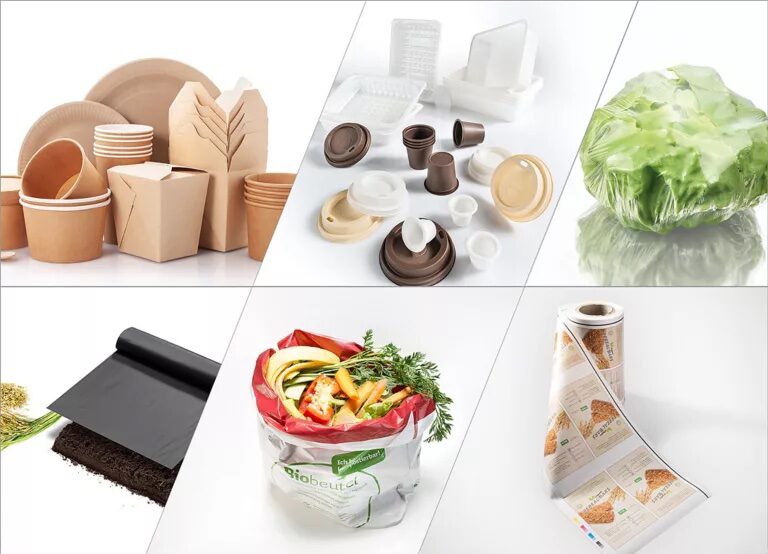
ecoflex is an ideal blend partner for the production of plastics from renewable raw materials like polylactic acid (PLA) and starch, making many applications possible in the first place. Thus, ecoflex provides the certified compostable BASF compound ecovio with special material properties such as flexibility and toughness. Studies show the advantages of ecovio for production, packaging and shelf life of food as well as for the collection of food waste. These advantages are based on the material’s certified biodegradability in commercial and home composting as well as in agricultural soil: Food waste is reduced, nutrients are returned to the soil by means of greater volumes of compost – and the accumulation of persistent microplastic in agricultural soil is avoided. This contributes to a circular economy by closing the nutrient cycle via organics recycling.

#modernplasticsaward #plasticnews #modernplasticsgermany #ginujoseph #modernplastic #plasticindia #plasticrecycling #sustainability #modernplasticsglobalnetwork #modernglobalnetwork #modernplasticsaward2023 #plasticmagazine #PlasticIndustry #modernplasticsmiddleeast #indianmagazine #innovations #modernplasticsamerica #modernplasticsbangladesh #modernplasticsasia #modernplasticsitaly